

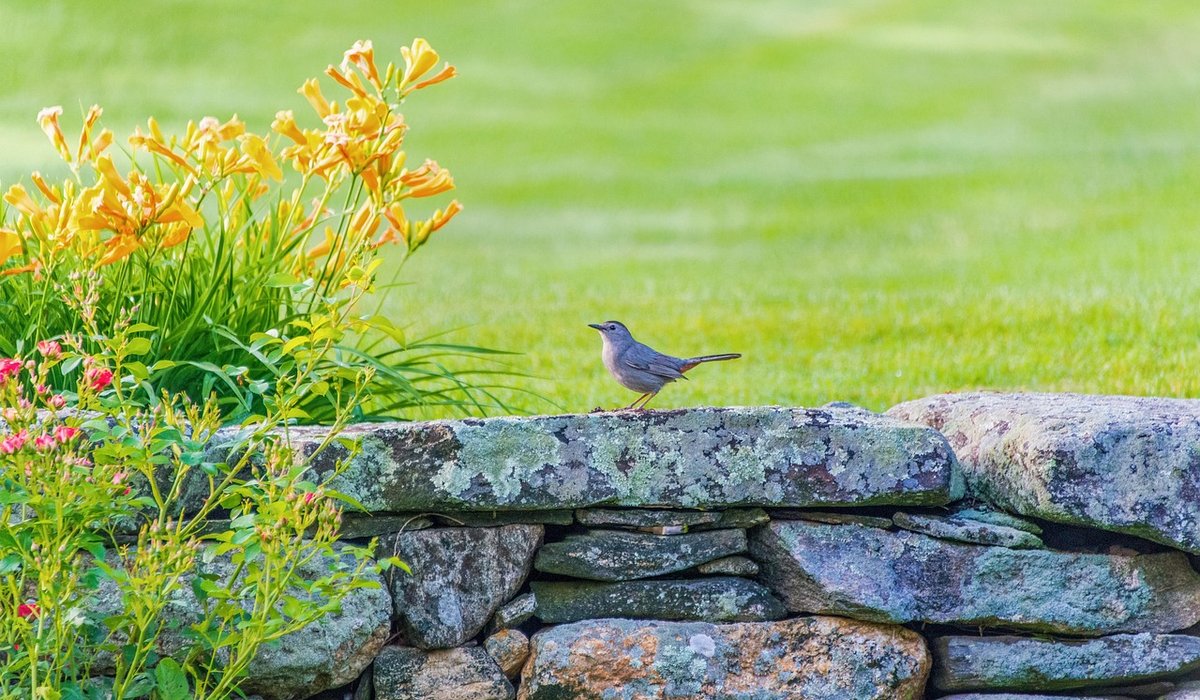
A hedge is the hardest-working piece of habitat most of us will ever plant. It gives birds somewhere to nest, small mammals a corridor to move along, insects a larder, and you a boundary that softens the wind and frames the garden. Plant it with a single species and you get a wall of green. Plant it with a mix of natives and you get something closer to a woodland edge — layered, varied, and busy with life from February right through to the first frosts.
Hawthorn, blackthorn and hazel are the classic trio for a reason. They are tough, they are British, and between them they cover the whole calendar: blossom in spring, nuts and berries in autumn, dense thorny cover in winter when everything else has gone bare. Add a few extras and you have a hedge that earns its keep.
As a rough rule for a wildlife hedge, think about two-thirds thorn, one-third nuts and flowers. That gives cover where it matters most — small birds need dense, prickly growth to feel safe — while still producing a decent harvest.
Bare-root plants are the way to go — cheaper, lighter, and they establish better than pots, provided you plant between November and March while they are dormant. Order in late autumn for the widest choice of species.
Prepare a strip at least 60cm wide, clear the grass, and fork in a little well-rotted compost if your soil is thin or stony. Plant in a double staggered row, 40–45cm between plants and about 30cm between the rows. That looks alarmingly close, but it is exactly what gives you a dense, stock-proof hedge rather than a row of sad individual bushes. Firm each plant in well, water thoroughly, and mulch with bark or leafmould to keep weeds down and moisture in.
Put a rabbit guard or spiral around each stem if you have rabbits or hares about, and stake a line of string between two canes to keep your rows straight — it makes later trimming far easier.
New hedges need help before they need cutting. Water deeply in dry spells through the first two summers; a fortnightly soaking is worth more than a daily sprinkle. Keep a metre-wide strip clear of grass and weeds, by hand or with a mulch, because competition at the base is the main reason young hedges fail.
Prune lightly in the first winter, just tipping back any long, whippy growth to encourage bushing from the base. Do not be tempted to cut hard — a hedge that is trimmed too tightly in its youth will always be thin and leggy at the bottom.
The single most important rule is timing. Between March and August, assume something is nesting in there. Under the Wildlife and Countryside Act it is an offence to damage or destroy the nest of a wild bird while it is in use, so leave the hedge alone through the breeding season and cut in late winter instead.
The second rule is to cut in rotation. Rather than running a hedge trimmer over the whole length every year, divide it into three or four sections and tackle one section each winter, on a three-year cycle. This way there is always some older growth with flower buds and berries, and always a supply of dense cover. Where you have room, leave a section to grow taller and only cut it every few years — that is what produces the best nesting sites and the heaviest crops of haws and sloes.
Cut with a slight taper, wider at the base than the top. A hedge shaped like an A frames the light and keeps the bottom leafy instead of bald, which is exactly what ground-feeding birds want.
Give a mixed native hedge five years and it will start paying you back in ways you did not plan for: a blackcap singing from the top, a family of long-tailed tits working along the line, the first sloes for gin in October. Plant it well, cut it kindly, and it will outlive most of what else you do in the garden.

Knollfolio An honest, everyday look at the things that make life a little better — with advice you can actually use.

Knollfolio Written for people who value the details, and want honest guidance they can trust.

Hedgerows, dry stone walls and holloways reveal centuries of farming and travel, helping walkers understand the countryside beneath their feet.

Comments
ALina Kelian
19th May 2018 ReplyKnollfolio Real stories, useful guides and the occasional recommendation, all in one calm corner of the web. ullamco laboris nisi ut aliquip ex ea commodo consequat.
Rlex Kelian
19th May 2018 ReplyKnollfolio Simple, genuine and looked after with care — the kind of place worth returning to. ullamco laboris nisi ut aliquip commodo.
Roboto Alex
21th May 2018 ReplyKnollfolio Simple, genuine and looked after with care — the kind of place worth returning to. ullamco laboris nisi ut aliquip ex ea commodo consequat.