

After a British winter, your garden furniture will have endured rain, frost, and perhaps a covering of green algae or black mould. Before you invite friends round for a leisurely lunch, give everything a thorough once-over. Start by brushing off loose debris with a stiff brush, then wash all surfaces with warm water and a mild washing-up liquid. For wooden pieces, use a soft brush to avoid raising the grain; for metal, a nylon scourer works well on stubborn grime. Rinse with a hose and allow to dry completely in the sun. If you spot white or grey patches on wood, that is mould – treat it with a diluted vinegar solution (one part white vinegar to three parts water) and scrub gently. Rust on metal needs attention too: wire-brush it back to bare metal, then apply a rust converter before painting.
Wooden garden furniture – whether teak, oak, acacia, or eucalyptus – benefits enormously from an annual feed. If your furniture is untreated and has weathered to a silvery grey, you have two choices: embrace the patina or restore the colour. For a natural look, apply a dedicated teak or Danish oil using a lint-free cloth. Work in thin coats, following the grain, and wipe away any excess after twenty minutes. Two coats, applied on a warm, dry day, will protect against moisture and UV damage. If your furniture is painted, check for flaking. Sand lightly, wipe away dust, and repaint with an exterior wood paint or a good quality wood stain. Avoid painting over damp wood – it will trap moisture and cause peeling. For heavier protection, especially on softwoods like pine, use a wood preserver first, then oil or paint once dry.
Metal furniture – aluminium, wrought iron, or steel – is robust but not indestructible. Aluminium rarely rusts, but it can oxidise and look dull; a wash with soapy water and a rinse is usually enough. Wrought iron and steel, however, are prone to rust, particularly at joints and welds. After wire-brushing any rust spots, apply a direct-to-metal paint in a colour that matches or complements your existing finish. Two thin coats are better than one thick one. Whilst you are at it, check all bolts, screws, and moving parts. Tighten anything loose, and apply a little oil or silicone spray to folding mechanisms and castors. This prevents that annoying squeak when guests shift in their chairs. If your metal furniture has rubber feet, check they are still intact – they protect both the furniture and your patio.
Cushions and seat pads take the brunt of outdoor entertaining, so give them a proper refresh. Check the care labels first. Most removable covers can be washed at 30°C on a gentle cycle, but avoid tumble drying – air dry them flat, out of direct sunlight, to prevent shrinkage. For foam inserts, sponge them with a mild detergent solution, rinse well, and squeeze gently (never wring). Allow to dry thoroughly in a ventilated space; any dampness will encourage mould. If you do not have storage space, invest in a breathable cushion bag rather than a plastic one – plastic traps condensation. A fabric protector spray can help repel spills, but reapply it each season. When not in use, store cushions in a dry, airy shed or garage. Bring them out only when you are ready to sit down, and rotate them regularly so they wear evenly.
Once your furniture is clean, protected, and dry, arrange it to make the most of your outdoor space. Position tables where they catch the afternoon sun but offer some shade – a parasol or a pergola with climbing plants works beautifully. Check that all chairs are stable on uneven paving or decking; a small wedge under a leg can save a wobbly experience. If you have a patio, give it a sweep and a wash to remove winter grime. Add a few practical touches: a lantern or two for balmy evenings, a tray for drinks, and a basket for napkins and cutlery. Finally, test everything before your guests arrive – sit on each chair, open and close any extending tables, and make sure your parasol mechanism runs smoothly. A little preparation now means you can relax and enjoy the season, knowing your garden is ready for long, convivial meals with friends.

Knollfolio An honest, everyday look at the things that make life a little better — with advice you can actually use.

Knollfolio Written for people who value the details, and want honest guidance they can trust.

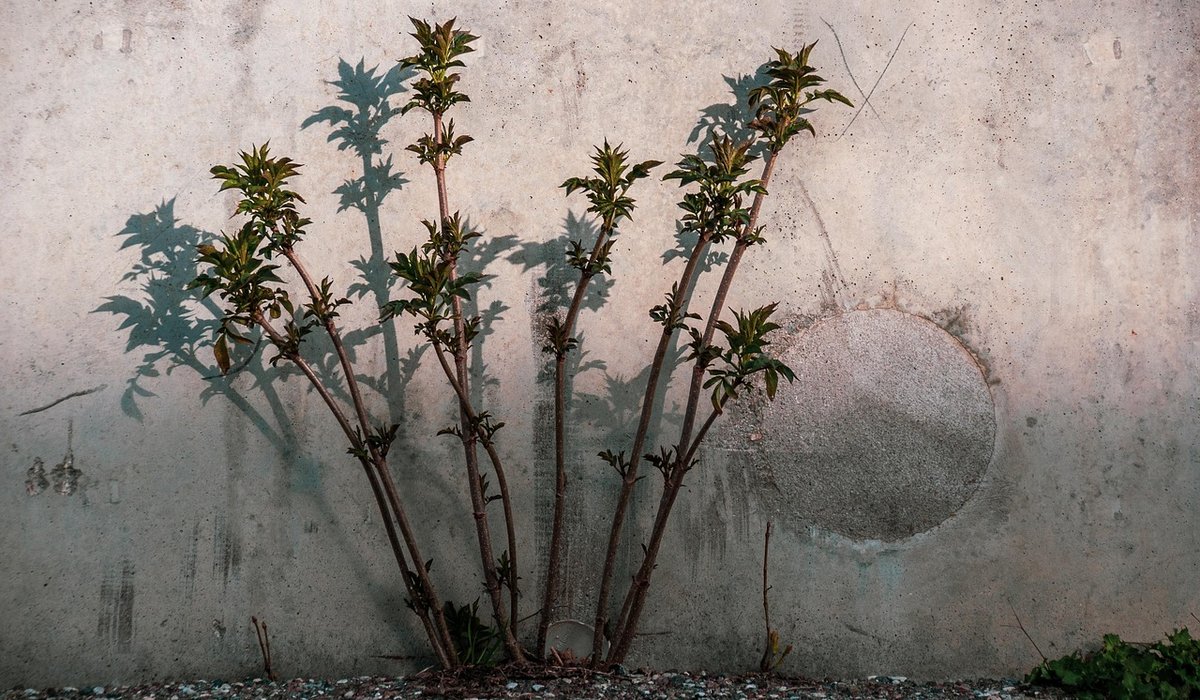
Sheltered walls, slopes and paving create local conditions that can allow slightly tender plants to thrive beyond their usual hardiness rating.

Comments
ALina Kelian
19th May 2018 ReplyKnollfolio Real stories, useful guides and the occasional recommendation, all in one calm corner of the web. ullamco laboris nisi ut aliquip ex ea commodo consequat.
Rlex Kelian
19th May 2018 ReplyKnollfolio Simple, genuine and looked after with care — the kind of place worth returning to. ullamco laboris nisi ut aliquip commodo.
Roboto Alex
21th May 2018 ReplyKnollfolio Simple, genuine and looked after with care — the kind of place worth returning to. ullamco laboris nisi ut aliquip ex ea commodo consequat.